
BPC 157 (10mg)
TB500 (10mg)
GHK-Cu (50mg)
KPV (10mg)
Description
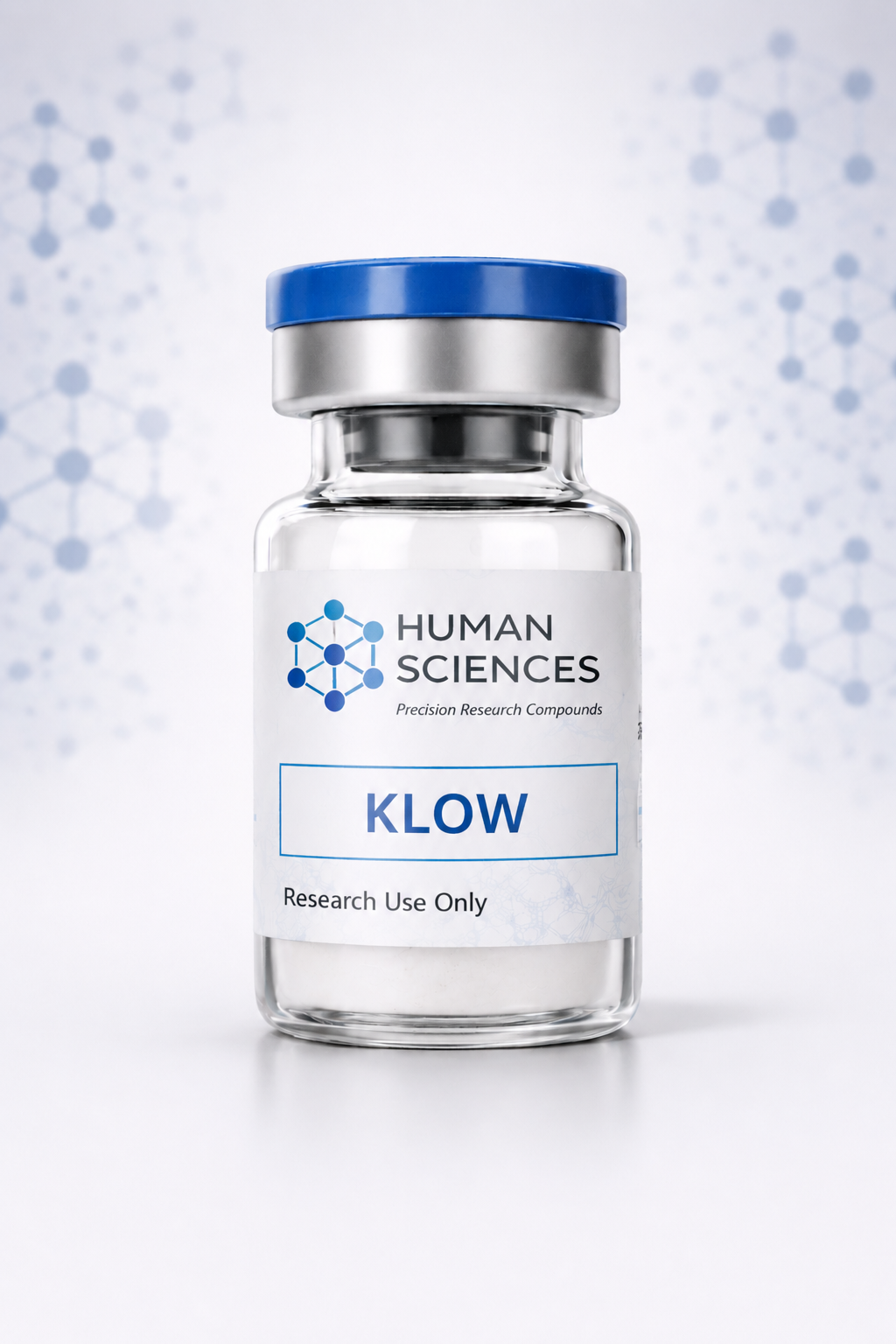
KLOW Is A Proprietary Multi-Peptide Research Blend Containing BPC-157, TB-500, KPV, And GHK-Cu, Each Selected For Their Unique Roles In Tissue Maintenance, Inflammatory Regulation, And Cellular Signaling. The Formulation Is Designed To Provide Researchers With A Comprehensive Platform For Investigating Multiple Regenerative Pathways Simultaneously.
BPC-157 Is Widely Studied For Its Association With Tissue-Repair Signaling, Angiogenesis, And Connective-Tissue Adaptation. Researchers Frequently Utilize It In Experimental Models Involving Tendons, Ligaments, Muscles, And Soft-Tissue Recovery Processes.
TB-500, A Synthetic Fragment Derived From Thymosin Beta-4 Research, Is Investigated For Its Role In Cellular Migration, Tissue Remodeling, And Wound-Healing Pathways. Its Broad Activity Across Multiple Tissue Types Makes It A Valuable Component Within Regenerative Research Frameworks.
KPV Contributes An Anti-Inflammatory And Immune-Modulating Element To The Formulation. Experimental Studies Suggest That KPV May Influence Cytokine Signaling, Epithelial Barrier Integrity, And Localized Inflammatory Responses, Making It Relevant In Models Of Tissue Stress And Recovery.
GHK-Cu Is A Copper-Binding Peptide Extensively Studied For Its Effects On Extracellular Matrix Regulation, Collagen Synthesis, Cellular Communication, And Skin Biology. Researchers Frequently Investigate Its Role In Tissue Remodeling, Regenerative Signaling, And Age-Related Cellular Maintenance.
The Combination Of These Four Peptides Creates A Multifaceted Research System That Spans Tissue Repair, Inflammatory Control, Vascular Adaptation, And Structural Regeneration. This Integrated Approach Allows Investigators To Explore How Complementary Biological Pathways May Interact During Recovery And Adaptation Processes.
Unlike Single-Compound Studies, KLOW Provides An Opportunity To Examine The Cumulative Effects Of Multiple Signaling Peptides Operating Across Different Cellular Systems. Researchers Continue To Investigate How These Mechanisms Influence Tissue Resilience, Repair Efficiency, And Biological Recovery Under Conditions Of Physiological Stress.
Due To Its Broad Spectrum Of Investigational Applications, KLOW Remains A Valuable Research Formulation For Exploring Regenerative Biology, Connective-Tissue Science, Inflammatory Regulation, And Cellular Adaptation Pathways. For Research Purposes Only, Not For Human Consumption Or Veterinary Use.
BPC-157/5mg + TB500/5mg
BPC-157/10mg + TB500/10mg
Description
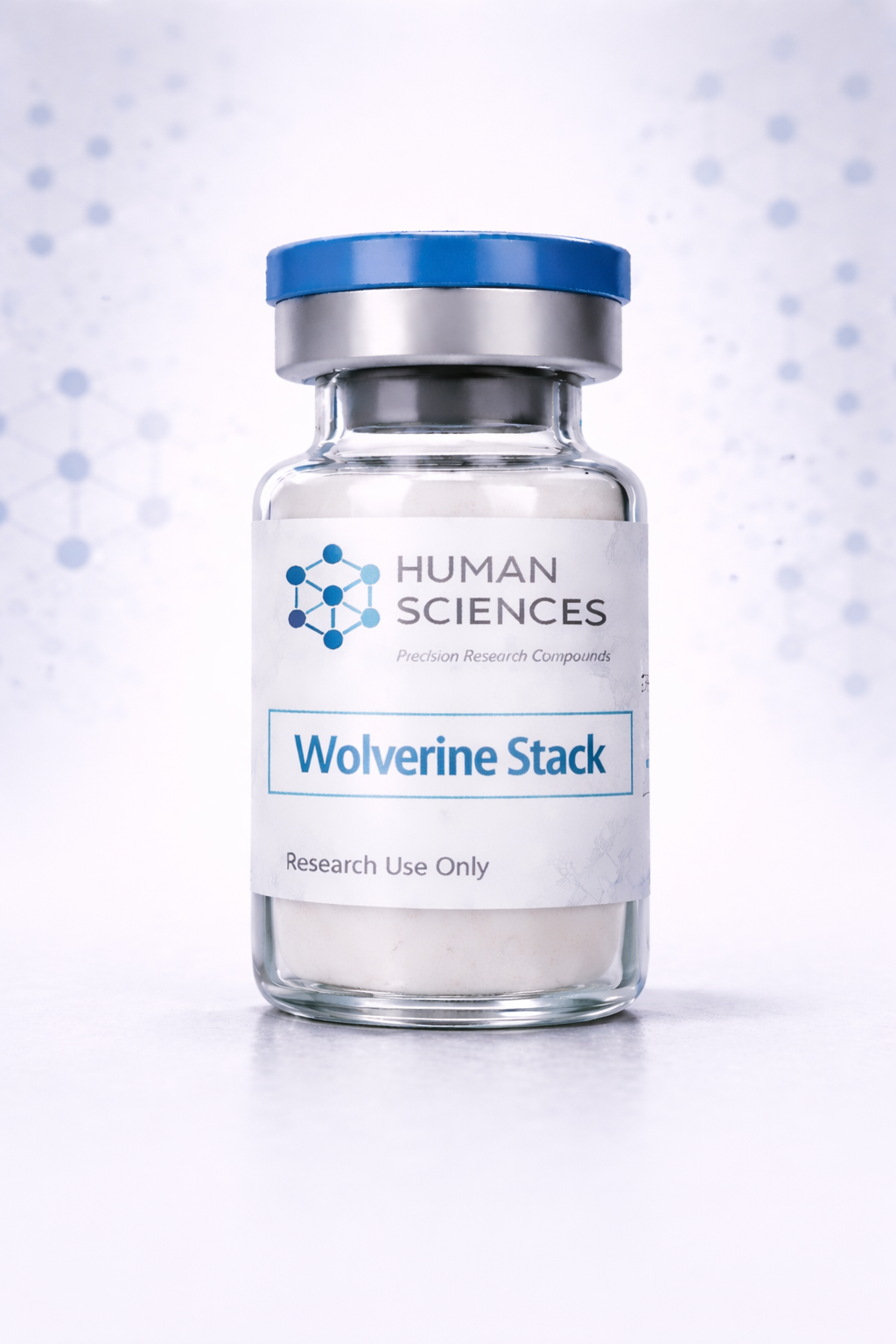
The Logan Stack Is A Research-Focused Combination That Includes BPC-157 And A Thymosin Β4–Derived Fragment Often Referred To As TB-500. This Pairing Is Commonly Used To Investigate Complementary Biological Pathways Related To Tissue Modeling, Angiogenesis, And Cellular Remodeling.
BPC-157 Is A Synthetic Pentadecapeptide Studied For Its Potential Influence On Vascular Integrity, Nitric-Oxide Signaling, And Cytoprotective Mechanisms In Experimental Systems. It Is Frequently Evaluated In Models Involving Fibroblast Activity, Endothelial Behavior, And Soft-Tissue Repair Environments.
The Thymosin Β4 Research Pathway, From Which TB-500 Is Derived, Centers On Actin-Binding Activity And Cytoskeletal Regulation. These Models Often Examine Cell Migration, Angiogenesis, And Remodeling Processes Associated With Tissue Recovery Dynamics.
Because These Two Peptides Operate On Distinct But Potentially Complementary Research Mechanisms, The Logan Stack Is Discussed As A Dual-Axis Investigative Tool. BPC-157 Is Used To Model Vascular And Signaling Stabilization, While Thymosin Β4–Fragment Biology Is Used To Examine Motility And Structural Remodeling.
No Validated Pharmacokinetic Or Interaction Studies Exist For This Combination, And Its Synergistic Behavior Remains Theoretical. Researchers Therefore Use The Logan Stack To Explore Multi-Pathway Repair Signals Rather Than Established Or Clinically Proven Outcomes.
The Stack Is Conceptual Rather Than Standardized, As TB-500 Represents A General Thymosin Β4–Derived Research Category Rather Than A Single Defined Endogenous Peptide. Studies Utilizing This Combination Are Strictly Experimental And Focused On Controlled In Vitro Or In Vivo Models.
The Logan Stack Is Provided Exclusively For Scientific Investigation Into Cytoprotection, Actin-Mediated Cell Dynamics, And Angiogenic Signaling. It Is Not Intended For Human Or Veterinary Applications, And No Medical Or Therapeutic Use Is Implied. For Research Use Only, Not For Human Or Veterinary Use.
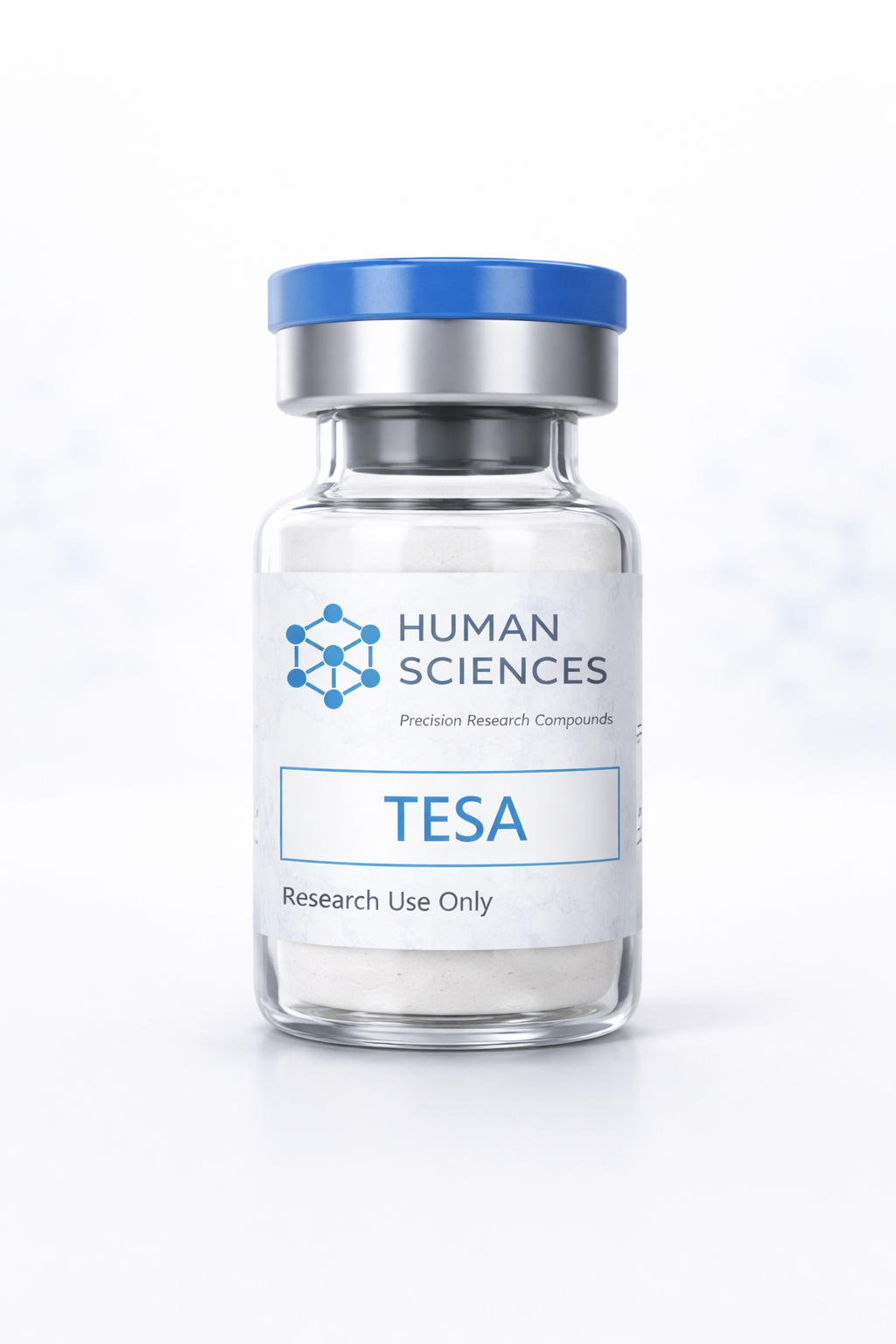
Tesamorelin Is A Synthetic Growth Hormone–Releasing Hormone (GHRH) Analog Engineered To Enhance Stability And Selectively Stimulate Endogenous GH Secretion Through GHRH Receptor Activation. It Is Widely Used In Experimental Systems To Study GH Pulsatility, IGF-1 Signaling, And Endocrine Pathway Regulation. For Research Use Only, Not For Human Or Veterinary Use.
Description
Tesamorelin Is A Synthetic Analog Of Human Growth Hormone–Releasing Hormone (GHRH) Engineered With Structural Modifications That Increase Stability And Enhance Receptor Specificity. These Features Allow Researchers To Examine GH-Axis Activity Under Physiologic, Pulse-Driven Conditions Rather Than Continuous Stimulation.
In Experimental Systems, Tesamorelin Activates The GHRH Receptor On Pituitary Somatotrophs And Triggers CAMP-Mediated Signaling Cascades That Stimulate GH Synthesis And Release. This Makes It A Valuable Tool For Studying Endogenous GH Dynamics, Feedback Loops, And Pituitary Responsiveness.
Because Tesamorelin Amplifies Natural GH Pulses Instead Of Mimicking Ghrelin-Pathway Peptides, Researchers Can Evaluate The Distinct Interactions Between GHRH Signaling, Somatostatin Regulation, And GH Secretion. These Models Help Clarify How Endocrine Rhythms And Inhibitory Pathways Shape Overall GH Output.
Downstream Of GH Activation, Tesamorelin Indirectly Influences IGF-1 Production, Enabling Controlled Study Of IGF-Associated Gene Expression And Metabolic Signaling Pathways. Researchers Frequently Use It To Explore Correlations Between GH-Dependent Activity And Cellular Growth, Differentiation, Or Energy Metabolism.
Tesamorelin Is Also Employed In Investigations Involving Adipose Tissue Biology, Hepatic Metabolism, And Lipolytic Signaling. These Studies Highlight The Peptide’s Utility In Understanding GH-Regulated Metabolic Processes Across Different Tissue Systems.
In Muscle And Connective-Tissue Models, Tesamorelin Is Used To Analyze GH-Linked Protein Synthesis Pathways, Structural Remodeling, And Regenerative Signaling. Because The Peptide Preserves Endogenous GH Rhythm, It Provides Insight Into Physiologic, Rather Than Supra-Physiologic, Growth Signaling Mechanisms.
Tesamorelin’s Stability Enhancements Allow Extended Observation Windows Compared To Native GHRH, Offering Consistent And Reproducible Experimental Conditions. This Improved Durability Makes It Especially Useful In Longitudinal GH-Axis Studies.
Tesamorelin Is Not FDA-Approved For General Therapeutic Use And Should Not Be Interpreted As A Treatment Or Medical Product Outside Specific Regulatory Contexts. For Research Use Only, Not For Human Or Veterinary Use.
Third Party Tested For Accuracy & Quality Control
“For Research Purposes Only – Not For Human Consumption“
ALL ARTICLES AND PRODUCT INFORMATION PROVIDED ON THIS WEBSITE ARE FOR INFORMATIONAL AND EDUCATIONAL PURPOSES ONLY. The Products Offered On This Website Are Furnished For In-Vitro Studies Only. In-Vitro Studies (Latin: In Glass) Are Performed Outside Of The Body. These Products Are Not Medicines Or Drugs And Have Not Been Approved By The FDA To Prevent, Treat Or Cure Any Medical Condition, Ailment Or Disease. Bodily Introduction Of Any Kind Into Humans Or Animals Is Strictly Forbidden By Law.
Copyright © 2026 Human-Sciences.com | Powered By Human Sciences Peptides